
-
dazemoonmarketing
- October 18, 2026
- No Comments
Author’s Note:
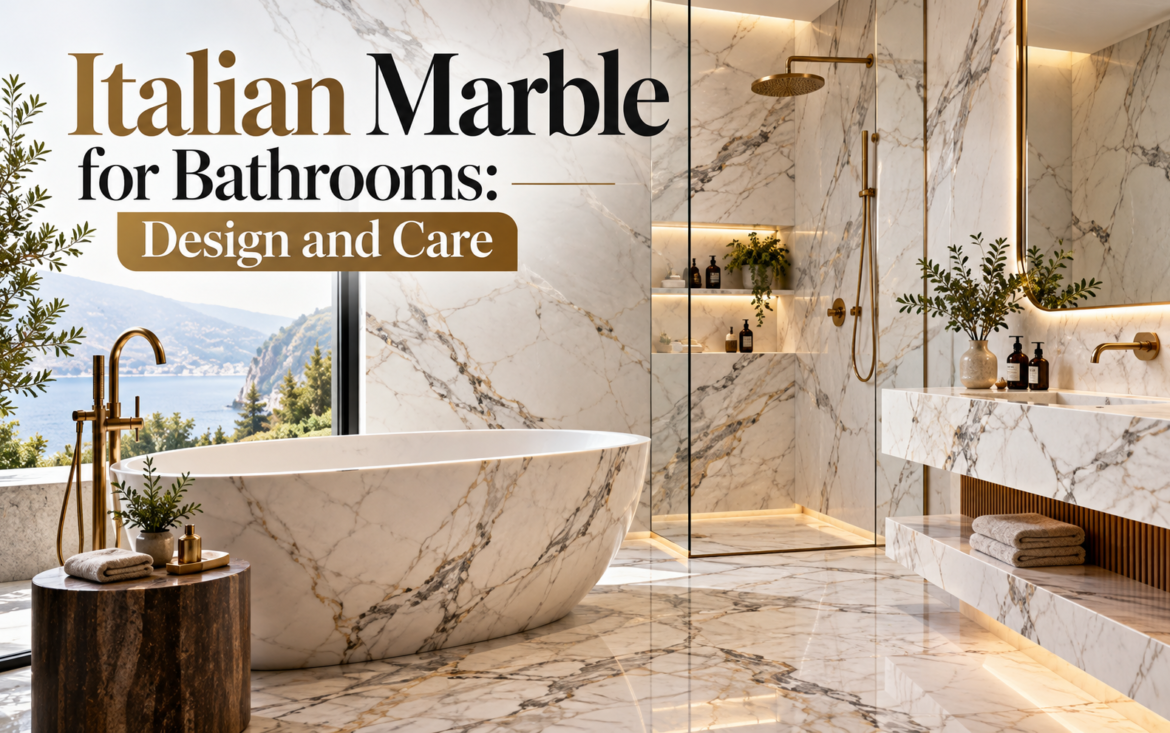
Italian marble can bring natural elegance and a luxurious appearance to bathroom interiors. Its distinctive veining, refined colors, and variety of finishes make it suitable for vanity walls, selected flooring, shower surrounds, and decorative features. However, bathrooms are exposed to moisture, soap residue, cleaning products, and frequent use, so material selection and maintenance are essential. This guide explains how homeowners, architects, interior designers, and builders can incorporate Italian marble into bathrooms while considering safety, installation, and long-term care.
Table of Contents
- Why Choose Italian Marble for Bathrooms?
- Bathroom Design Ideas Using Italian Marble
- How to Select the Right Marble for Bathroom Surfaces
- Installation and Maintenance Tips
- Conclusion
- FAQs
1. Why Choose Italian Marble for Bathrooms?
Italian marble is valued for its natural patterns, elegant appearance, and ability to complement different interior styles. Depending on the variety, it can create a bright, minimalist bathroom or a dramatic, hotel-inspired space.
White marble with grey veining can make a bathroom feel clean and spacious, while beige and warmer-toned varieties can create a relaxing atmosphere. Marble can also be paired with wood-look cabinetry, brushed-metal fixtures, glass partitions, and neutral wall colors.
Another advantage is its versatility. Rather than covering every surface, designers can use marble selectively on vanity backdrops, feature walls, bathtub surrounds, or niches to create visual interest without overwhelming the room.
However, marble is a natural stone that requires appropriate care. It is generally sensitive to acidic substances, which can etch its surface, and some varieties may absorb moisture or staining agents if left unprotected. For wet areas, the finish, installation method, drainage, and slip resistance deserve as much attention as appearance.
Consulting a knowledgeable Best imported marble supplier in India can help buyers understand available varieties, finishes, slab characteristics, and the suitability of different stones for bathroom applications.
2. Bathroom Design Ideas Using Italian Marble
White marble for a spacious appearance
White marble with subtle grey veining is suitable for bathrooms where the goal is a bright, uncluttered look. It can be used on vanity walls, selected flooring, or large wall panels. Pairing it with simple cabinetry and frameless glass can maintain a clean visual appearance.
Dramatic marble for feature walls
Marble with bold, expressive veining can become the focal point behind a vanity or freestanding bathtub. Book-matched slabs, where adjacent pieces create a mirrored pattern, can produce a striking effect. Slab selection should be planned before cutting so that the natural pattern appears balanced after installation.
Beige marble for a warm atmosphere
Beige and cream-colored marble works well with natural wood finishes, warm lighting, and brushed-brass or bronze fixtures. This combination is particularly suitable for bathrooms designed to feel calm and inviting rather than overly glossy.
Marble vanity backsplashes and countertops
A marble vanity top or backsplash can connect the bathroom’s different design elements. However, vanity surfaces may come into contact with cosmetics, perfumes, toiletries, and cleaning products. Promptly cleaning spills and using suitable protective treatments can help maintain the stone’s appearance.
For homeowners exploring Italian marble in kishangarh, inspecting complete slabs is useful because veining and color can vary naturally. Comparing the actual stone with cabinetry, tiles, and fixture samples helps avoid unexpected differences once the bathroom is complete.
3. How to Select the Right Marble for Bathroom Surfaces
The best marble for a bathroom depends on where it will be installed. A decorative wall has different requirements from a shower floor or frequently used vanity counter.
For bathroom walls, consider the stone’s appearance, slab dimensions, weight, and installation requirements. Larger slabs can reduce visible joints, although proper waterproofing behind the stone remains essential.
For flooring, prioritize slip resistance and surface suitability. Highly polished marble can become slippery when wet, so a suitable honed or textured finish may be preferable in some areas. The final choice should be based on the product’s characteristics and professional assessment of the bathroom’s wet conditions.
For shower areas, waterproofing, drainage, joint detailing, and ventilation are critical. Marble itself does not replace a waterproofing system. Poor installation can lead to water penetration, staining, or damage behind the stone.
Budget should also be evaluated realistically. When researching Italian marble flooring price India, remember that the total bathroom cost can include stone selection, cutting, transportation, installation, waterproofing, polishing, sealing, and wastage.
A professional Marble supplier in Kishangarh can help compare varieties, thicknesses, finishes, and available slab sizes. Ask for clear product details and discuss whether the selected material is appropriate for the specific application.
4. Installation and Maintenance Tips
Good installation and regular care are essential for maintaining marble in a bathroom.
Before installation, ensure that the substrate is properly prepared and that the waterproofing system is completed and tested according to the project specifications. Use suitable fixing materials and installation methods recommended for the stone and location. Experienced installers should also plan joints, edges, cutouts, and drainage details carefully.
For everyday maintenance, follow these practical steps:
- Clean surfaces with a pH-neutral cleaner intended for natural stone.
- Wipe away soap residue, cosmetics, and spills promptly.
- Avoid acidic cleaners, including vinegar and lemon-based solutions.
- Use suitable mats where needed, without trapping moisture beneath them.
- Keep the bathroom well ventilated to reduce persistent dampness.
- Follow professional recommendations for sealing and resealing.
Sealing can help reduce the absorption of certain staining agents, depending on the stone and product used. However, it does not make marble waterproof or completely stain-proof, and it does not prevent acid etching.
When visiting a Best marble shop in Kishangarh, ask about the stone’s maintenance needs, finish options, and suitability for wet areas. It is also helpful to clarify delivery, slab inspection, fabrication, and installation coordination with your Marble dealer in Kishangarh before confirming the order.
5. Conclusion
Italian marble can elevate bathroom interiors through its natural veining, refined colors, and distinctive surface patterns. From bright white walls to warm beige vanities and dramatic feature panels, there are many ways to incorporate it into both contemporary and classic designs.
The most successful bathroom projects balance appearance with practical requirements. Select the finish according to the surface, ensure proper waterproofing and installation, prioritize slip resistance in wet areas, and follow appropriate cleaning practices. With informed material selection and consistent care, marble can remain an attractive feature of a thoughtfully designed bathroom.
FAQs
1. Is Italian marble suitable for bathroom interiors?
Yes. It can be used for vanity walls, selected flooring, countertops, and decorative surfaces. The stone variety, finish, installation method, and maintenance requirements should be considered before choosing it for wet areas.
2. Which Italian marble color is best for a small bathroom?
White, light grey, and soft beige varieties can help a small bathroom feel brighter and more open. Good lighting, appropriately sized mirrors, and simple fixtures can further enhance the space.
3. Is polished Italian marble safe for shower floors?
Polished marble may become slippery when wet. A finish with suitable slip resistance is generally a better consideration for shower floors, and the final choice should be reviewed with a qualified installer.
4. Does bathroom marble need sealing?
Some marble surfaces benefit from sealing to help reduce staining, but the need depends on the stone and application. Sealing does not prevent acid etching or replace proper waterproofing.
5. How do I clean Italian marble in a bathroom?
Use a pH-neutral natural-stone cleaner and a soft cloth or mop. Avoid acidic or abrasive products, clean spills promptly, and maintain good ventilation to help keep the surfaces in good condition.